
Are Dogs Scared of the Dark?
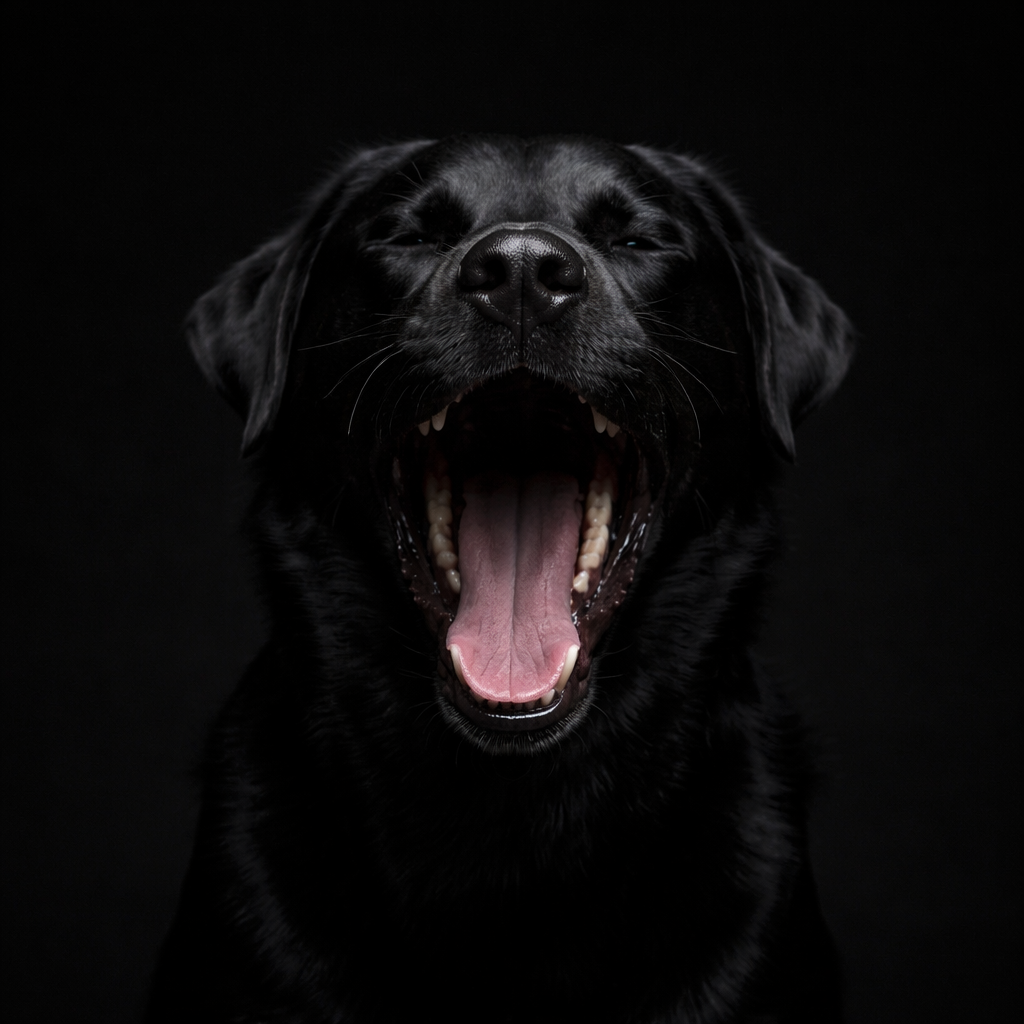
You turn off the lights, the house goes quiet—and your dog suddenly follows you everywhere, hesitates in dark hallways, or lets out a low whine. Are dogs actually scared of the dark? The short answer: not usually. The longer answer is more interesting (and reassuring).
👀 Can Dogs See in the Dark?
Dogs are naturally better equipped for low light than humans. Their eyes are designed to pick up movement and shapes when it’s dim, thanks to:
-
A reflective layer behind the retina (that “eye glow” you see)
-
More light-sensitive rods than cones
-
Wider peripheral vision
So while dogs don’t see perfectly in pitch black, darkness itself isn’t typically the problem.
😟 So Why Do Some Dogs Act Scared at Night?
If your dog seems uneasy after dark, it’s usually about context, not darkness.
Common reasons include:
-
Unfamiliar sounds (pipes, wind, heaters turning on)
-
Shadows or reflections that move unexpectedly
-
Being alone or separated from their people
-
Past experiences (rescues or dogs with trauma)
-
Age-related changes (puppies learning the world, seniors with vision decline)
At night, when visual cues are limited, dogs rely more on hearing and smell—sometimes filling in the gaps with imagination.
🐾 Puppies vs. Adult Dogs
-
Puppies may feel unsure because nighttime is new and routines aren’t set yet.
-
Adult dogs are usually confident unless something has changed.
-
Senior dogs may experience mild night anxiety due to vision loss or cognitive changes.
Consistency and comfort go a long way at every age.
🛏️ Why Sleep Spaces Matter More at Night
A familiar, cozy sleep setup helps dogs feel grounded when the lights go out.
What helps most:
-
A consistent sleeping location
-
Soft, breathable bedding they recognize by smell
-
A clean bed (strong odors can increase anxiety)
-
Gentle ambient light, like a hallway nightlight
-
White noise or a fan to mask sudden sounds
A dog who feels safe where they sleep is far less likely to worry about what they can’t see.
🌙 Signs Your Dog Is Anxious at Night
Watch for:
-
Pacing or restlessness
-
Whining or barking after lights-out
-
Following you closely when it’s dark
-
Hesitation entering dark rooms
-
Trouble settling even when tired
These behaviors usually point to nighttime anxiety, not fear of darkness itself.
✨ How to Help Your Dog Feel Safe After Dark
-
Keep bedtime routines predictable
-
Leave a soft light on if needed
-
Make sure their bed smells familiar and fresh
-
Avoid sudden changes to their sleep environment
-
Offer a calming toy or blanket
-
Stay relaxed—dogs pick up on your energy
If anxiety is sudden or severe, it’s always worth checking with your vet to rule out vision or cognitive issues.
💤 Final Thoughts
Dogs aren’t afraid of the dark the way humans are—but nighttime can feel different, quieter, and more mysterious. With the right environment, a familiar routine, and a clean, cozy place to sleep, most dogs settle in easily and rest peacefully until morning.
When your dog sleeps well, the whole house does. 🌙🐾
If you’d like, I can also:
-
Write an excerpt for this post
-
Turn it into an SEO-optimized LAYR article
-
Add a holiday or winter angle
-
Create a companion post about nighttime routines for dogs