
What Are Dogs’ Favorite Colors?
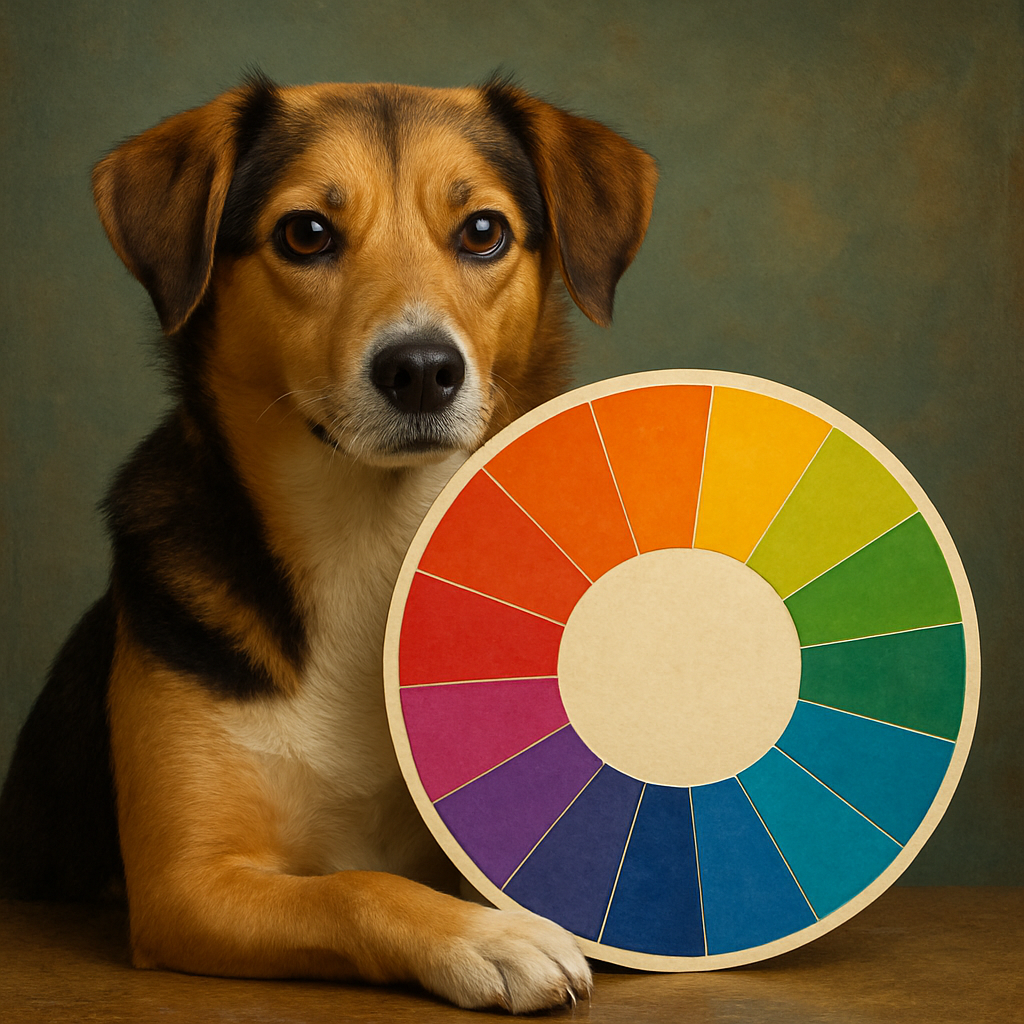
We all love to spoil our dogs with toys, blankets, and accessories in our favorite colors—but have you ever wondered what their favorite colors actually are? Do dogs even see color? And if so, which ones make them happiest?
Let’s break down the science, the myths, and how you can use color to create a more enriching world for your pup.
Do Dogs See Color?
Yes! Dogs can see color—they just see it differently than humans.
While we see a full rainbow, dogs see the world in a more muted palette. Their vision is similar to red-green color blindness.
Dogs primarily see:
-
Blues
-
Purples
-
Yellows
-
Greys
Dogs have trouble seeing:
-
Reds
-
Oranges
-
Greens
So that bright red toy you bought? To your dog, it probably looks like a dull brownish-grey blob.
💙 So… What Colors Do Dogs Prefer?
Based on behavior studies and how their eyes function, dogs naturally gravitate toward high-contrast blues and yellows—colors they can distinguish the most clearly.
Top “Favorite” Dog Colors:
1. Blue — ⭐️ The Undisputed Favorite
Blue stands out the most in a dog’s visual world.
How they react:
Dogs chase blue balls faster, spot blue toys more easily in grass, and show the most engagement with blue-colored enrichment items.
2. Yellow — ⭐️ Bright, Cheerful, and Easy to See
Yellow pops against most backgrounds in a dog’s limited spectrum, making it easy for them to track and play with.
How they react:
Dogs consistently choose yellow puzzle toys or feeders when given options of similar shapes.
3. Purple — ⭐️ The Surprise Contender
Purple contains a strong blue wavelength component, which dogs can detect well.
How they react:
Dogs often respond well to purple bedding and toys—likely because the tone is calming and visually clear.
4. Grey — ⭐️ Calm, Neutral, Comforting
Grey is easy for dogs to process visually, and can create a soothing environment for rest.
How they react:
Dogs relax more deeply in calm-toned, low-stimulus settings.
🎾 Why Color Matters for Toys
Picking toys in colors dogs can see makes playtime more exciting and interactive.
Blue and yellow toys = easiest to track, fetch, and find.
Red and green toys often get “lost” visually, especially in grass or darker environments.
If your dog seems uninterested in certain toys, it may not be the toy itself—it might be the color.
🛏️ Why Color Matters for Beds & Sleep Spaces
Dogs nap everywhere, but sleep deeper in calming environments.
Color plays a subtle role in relaxation:
-
Cooler hues (blues, greys, purples): promote calm, steady sleep
-
Bright yellows: uplifting for daytime lounging
-
Muted browns or naturals: grounding and comforting
A clean, comfortable sheet or bed cover in a soothing color can make a noticeable difference in how well your dog relaxes.
🐶 Do Dogs Have Personal Color Preferences?
Yes—just like us, dogs show individual preferences based on personality.
Examples:
-
High-energy dogs often gravitate toward bright blues and yellows.
-
Anxious or sensitive pups respond better to soft greys, muted purples, or neutral palettes.
-
Puppies tend to prefer whatever color is high contrast, because their vision is still developing.
You can test this by offering toys of the same shape in different colors and watching which one your dog chooses most often.
Dogs may not see the world in full rainbow brightness, but the colors they can see make a big impact on their play, mood, and rest.
Choosing the right colors for their toys, bedding, and environment can make life more joyful, engaging, and calming for them. Whether it’s a blue fetch ball, a yellow puzzle toy, or a cozy grey dog bed sheet—they see more than we think.